
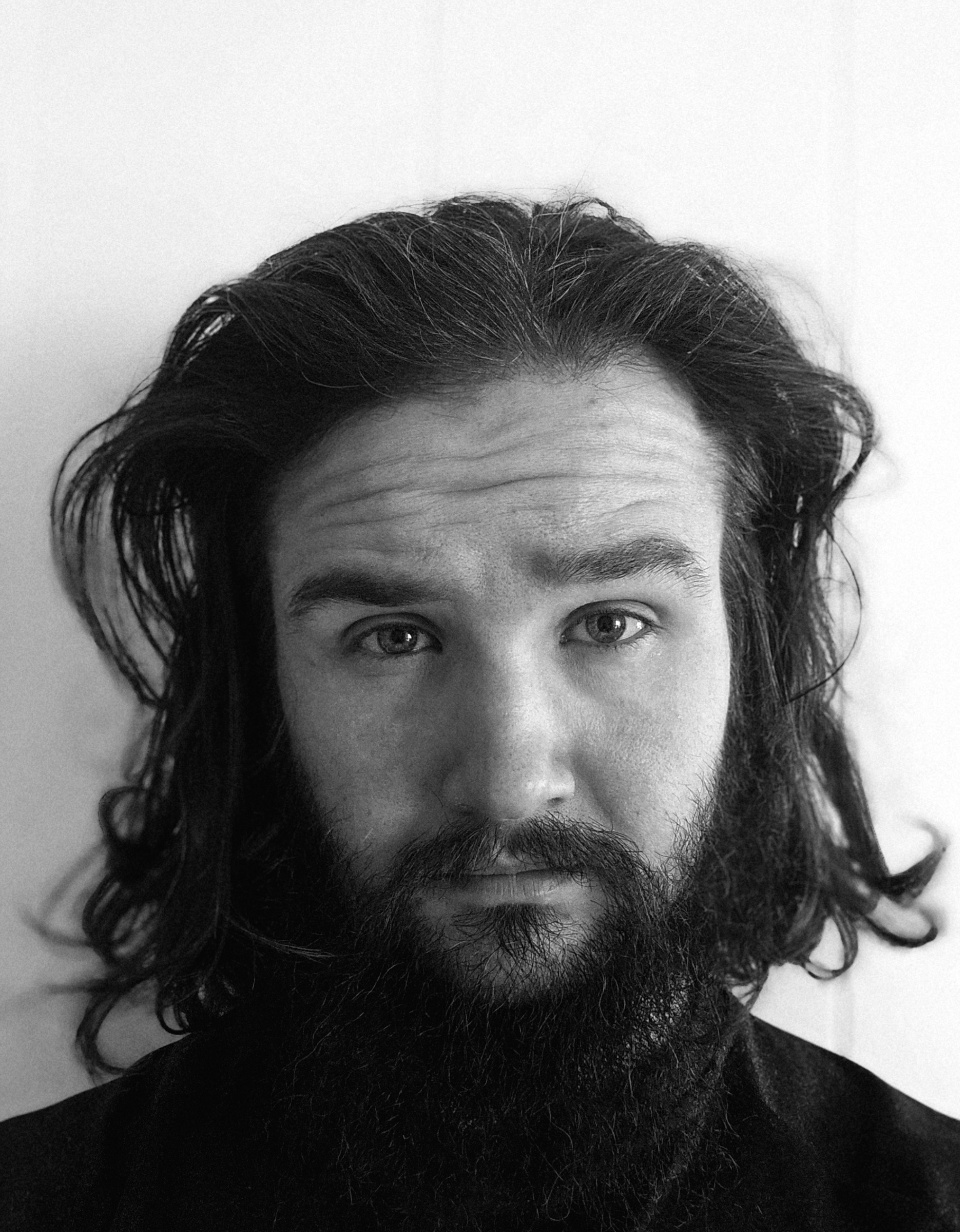

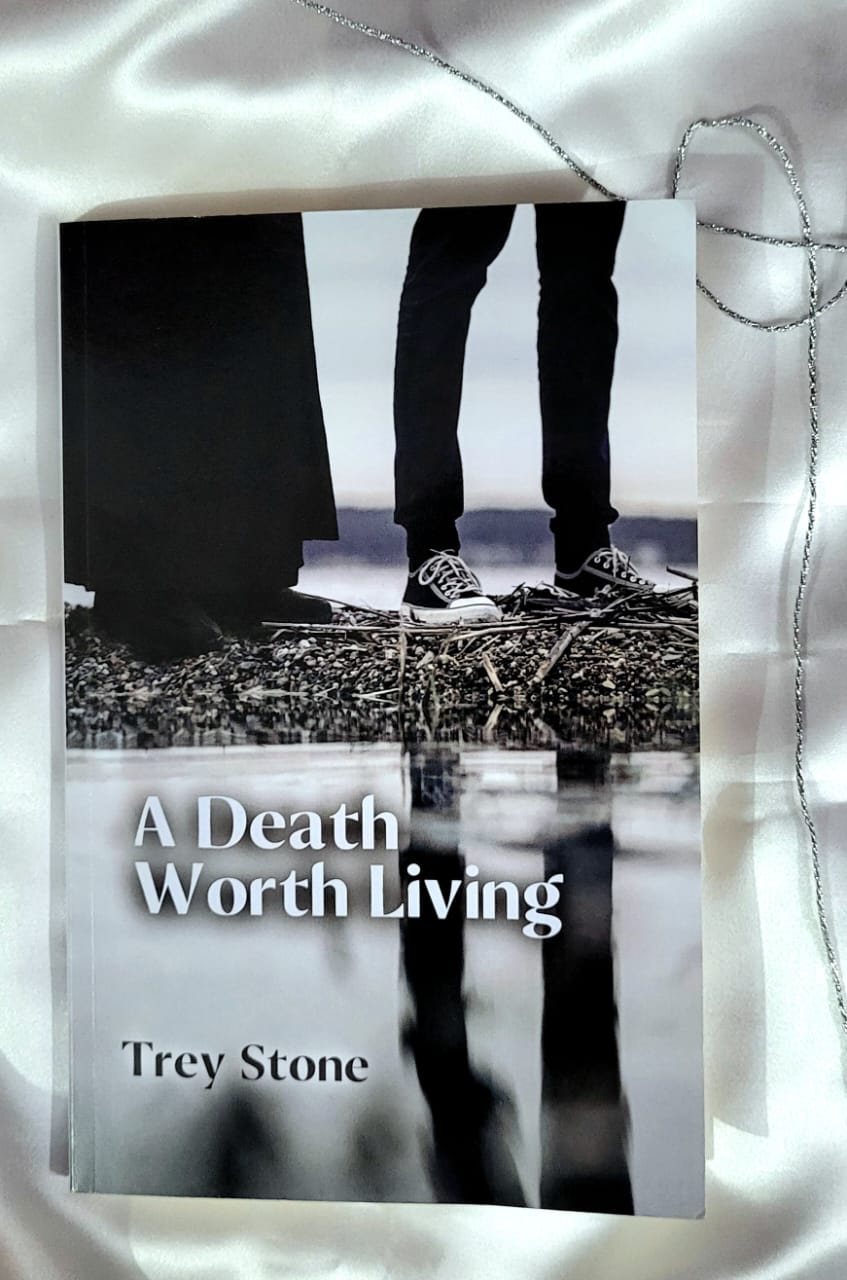
Trey Stone has just released ‘A Death Worth Living’—a book that doesn’t rush to entertain, but pauses to unsettle. It’s reflective, quietly unsettling, and deeply psychological—less interested in shock than in the slow unraveling of thought, memory, and meaning. Best known for psychological thrillers like ‘At The Gate’ and a range of crime, sci-fi, and speculative tales, Stone draws deeply from life’s own contradictions—what we remember, what we regret, and what we wish we could change. Born in Norway and comfortable shifting between genres, he’s written about haunted hotels and now haunted memories. In this conversation, we skip the usual launch chatter and dive straight into the mind of a writer who isn’t afraid of silence, slowness, or discomfort.

Amisha: If your book was a weather forecast, how would you describe it?
Trey: Overcast and stormy, with a chance of sun.
Amisha: This book is very personal to you, almost autobiographical. What prompted you to write such a personal tale? Was it something that drew you to write this book?
Trey: I’m not really sure what made me start it, but I don’t think I intended for it to be what it was. But once I got a few chapters in, I saw myself and my life in it, and from then it became easier and easier to put more of my own experiences in it. By the time the first draft was done I sat and back and realized I had something special on my hands. It was a very cathartic experience to write and it gave me a strange kind of peace. I felt happy having put it all down on paper this way, and I’m very proud of what this book became.

Amisha: What question about your life were you wrestling with while writing this book?
Trey: Once I realized how biographical it was, I started exploring my own memories – and how they made me feel. What did I remember and how well did I remember the story about me? Did I like it? Did it make me feel good about my past, or not? I got very invested in exploring my own past and in looking for various types of memories – did good outweigh the bad ones? Were some much stronger than others? It was a very fascinating exploration.

Amisha: Was there any moment in the book that you edited out at the last moment or didn’t put in but wanted to?
Trey: The only thing that really changed a lot from the first draft to the finished book was the ending. I can’t say too much without spoiling it, but even though the scene was generally the same, much of what Jacob did, said and reacted has been changed. My publisher helped me go through something and made me realize how it needed to change to really make it say what I wanted and needed it to say.
Amisha: What small detail in the book feels insignificant, but is actually carrying a heavy truth?
Trey: There’s the death of one Jacob’s loved ones where I’ve taken some artistic freedoms – because I actually never lived through that myself, it actually happened before I was even born. It might seem small in the book, but by writing about it the way I have, it gave me the opportunity to process it in a way I never would have thought possible.
Before we continue, let’s pause the conversation for a moment.
‘A Death Worth Living’ isn’t a book you simply observe—it quietly asks you to participate. We have created a quiz and some questions for you that is not a test of memory or interpretation, but of instinct. Read each of these slowly, answer without overthinking, and notice what lingers after you answer. Often, what stays with you matters more than what’s explained.
- A door appears before you, said to take you back to one of your best memories – would you know what it was? And would you open it?

2. A mysterious figure offers you a gift. Which one would you choose?
- a) A sealed envelope
- b) A broken watch
- c) A small smooth stone
- d) A mirror shard
3. Would you rather relive your happiest memory, or forget your worst?
4. If you could spend a day with your younger self, what would you do?
5. If you met your older self, forty years in the future, what do you think they would be like? Would you be interested in meeting them?
Take a moment with your answers before scrolling away.
If you’re comfortable, share your choices in the comments below—just the letters, or a sentence or two about what stayed with you. There are no right answers here—only honest ones.
This conversation doesn’t end here. In Part Two, Trey Stone returns to these questions with his own reflections—responding to the patterns, hesitations, and instincts they reveal. We’ll also step into more personal territory: a note to his younger self, a song that echoes the mood of the book, and a few quiet additions that didn’t fit neatly into answers.
So stay with us. There’s more to unfold.


Leave a Reply